Rare diseases
Rare diseases have a devastating impact on people’s lives: pharmaceutical companies here in the UK and around the world are working to change that – developing new medicines to give families hope for the future.
This year's Rare Disease Day is all about equity. What does equity mean to you and your organisation?
"There are really two different thoughts that spring to mind when considering equity and rare disease. Firstly, the need to ensure that people living with rare diseases have fair and equitable access to medical care and treatment. Unfortunately, people living rare diseases rarely experience this, whether due to diagnostic delay, a lack of coordinated healthcare pathways, or inaccessibility of treatments. Secondly, within the rare disease community we need to work to ensure all of our projects and services can reach everyone affected by a given rare disease - when conditions are so rare, it is a huge issue if an intervention to support those affected inadvertently excludes part of that population. We have to ensure those solutions that do exist for rare diseases benefit all those that they should."
What needs to change in how society supports rare disease communities?
"I'd love to see the role that patient organisations play in supporting those living with rare diseases more widely recognised and supported. In general rare diseases are often viewed either as curiosities or individual battles against adversity. While these approaches can lead to benefit to individuals, they fail to recognise the community of people globally affected by a condition, and thus they fail to drive any systematic change. Patient organisations drive this change societally, within the research field, and provide the support and connections people need to learn to manage their conditions day-to-day. If society could provide more resources and support to these small charities, we'd see a more systemic change for rare disease patients."
In a few years' time, what would real progress on equality look like?
"I'd love to see rare conditions at the heart of the government life science and healthcare strategy in the UK and the care pathway given as much investment as the diagnostic. This would drive real change to the services all rare patients encounter, and bring them more in line with common conditions and cancer."
Rare disease day 2026
Interview with Rick Thompson, CEO, Beacon: for rare disease
For Rare Disease Day 2026, we asked Rick what equity for rare diseases means for him and his organisation. Read his interview opposite or watch the shorter video.
Rare disease day 2026
Interview with Chris Walden, CEO, Cancer52
For Rare Disease Day 2026, we asked Chris what equity for rare diseases means for him and Cancer52. Read his interview opposite or watch the video.
This year's Rare Disease Day is all about equity. What does equity in rare diseases mean to you?
"People diagnosed with a rare cancer should receive the same level of care and treatment as those with the most common cancers. Their chances of a good outcome should mirror those with the most common conditions.
What needs to change in how society supports rare disease communities?
"There needs to be greater investment in research and better understanding from the health system as to the needs of people with a rare cancer.
In a few years' time, what would real progress on equality look like?
"People with rare cancers will be a priority for the NHS and this will have result in improved outcomes for people affected by these rare diseases.
What does equity in rare diseases mean to you?
70% of genetic rare diseases begin in childhood. True equity can only be achieved when we have a health technology assessment system that recognises the distinct needs of children with severe, progressive, disabling conditions, and remove the structural barriers that currently prevent them accessing new treatments.
Equity means a system that recognises the value of delaying or stopping disease progression and giving children more time to grow, learn and develop, to experience life and independence. It means valuing a child’s life in days, weeks and months and the opportunities these afford, not in Quality Adjusted Life Years.
What needs to change in how society supports rare disease communities?
Society must better recognise the lived experience of people with rare disease, which must inform how decisions are made about their care and treatment.
We need urgent reform in how new treatments for rare paediatric conditions are assessed for use on the NHS. We must move away from adult-centric instruments and economic models which don’t work for paediatric conditions and demand unrealistic levels of evidence, which simply don’t exist in rare disease.
We are calling for a dedicated children’s health technology assessment pathway. One that uses fair and achievable evidence standards to make timely and effective reimbursement decisions and recognises the unacceptable cost of delaying access to potentially life changing treatments for children and families.
This is vital to ensure rare disease communities are benefiting equally from scientific advances and that the UK isn’t left behind.
In a few years’ time, what would real progress on equity look like
Progress would look like children with rare diseases across the UK receiving timely, equitable access to care and safe, effective new treatments, regardless of where they live or their socioeconomic background.
Treatments would be properly valued and approved through a dedicated new pathway, with the flexibility to manage inherent uncertainty. This new system would recognise the wider economic and social benefits of delaying or halting disease progression, which can be transformative for children with life limiting conditions and their families.
Families would experience a system that values potential gains made in childhood, recognises the realities of caring for a child with a rare disease and truly values their lived experience.
Rare disease day 2026
Interview with Emily Reuben, CEO, Duchenne UK
Emily told us what equity in rare diseases means for her and Duchenne UK, for Rare Disease Day 2026. Read her full interview opposite or watch the shorter video.
Rare disease day 2026
Interview with Harriet Lewis, Chiesi
Harriet Lewis, Senior Director of Public Affairs and Communications at Chiesi, gives us her perspective on rare disease equity. Read her interview opposite or watch the shorter video.
We’d like to thank everyone who featured in the video, including Ben, who is living with a rare liver disease, and Laurence Woollard, a person living with severe haemophilia A.
Their involvement was voluntary, no honorarium was provided, and participation does not constitute endorsement of any Chiesi products.
What does equity in rare diseases mean to you?
As with all diseases, we need to think about the experience of the individual and their own lives, barriers and opportunities. We often see rare diseases grouped together, but the experiences of each person are so very different.
Equity is not about making assumptions or uniform solutions but responding to these individual realities. It requires listening to lived experience, addressing structural barriers to access, and ensuring that people with rare conditions are visible in how healthcare is communicated and delivered.
Visual representation plays an important role here. When people see themselves reflected accurately and respectfully, it signals that their needs are understood and considered. Equity means designing systems and narratives that include people rather than those that talk about them.
What changes would you most like to see in how society views and supports the rare disease community?
I would like to see a shift from sympathy to allyship – those living with rare diseases don’t want pity, they want to be seen, included and respected. This is what we hear time and time again from those we work with.
It’s estimated that there are over 7,000 rare diseases so it’s unlikely we, as a society, will be able to understand each one, but if we start with the person, we don’t need to be an encyclopaedia of rare diseases, we can just listen. [1]
Being an ally also means advocating for authentic representation in media and healthcare communications. When we portray rare diseases accurately, we move closer to a system that responds to real needs rather than assumptions.
True support means visibility, partnership, and sustained commitment, that’s why we launched our True Faces of Rare campaign last year alongside Metabolic Support UK to advocate for authentic images and inclusion - a call to action many other organisations have since joined.
In a few years’ time, what would real progress on equity for the rare disease community look like and how can Rare Disease Day help move us closer to that goal?
Real progress would mean earlier recognition, fewer regional disparities in access to specialist care, and systems designed with, not for, people living with rare diseases. It would also mean authentic representation becoming the norm, so individuals feel seen and understood rather than marginalised.
Rare Disease Day can act as a catalyst by keeping equity firmly on the agenda, amplifying lived experience, and encouraging sustained collaboration across healthcare and policy to turn awareness into measurable change.
[1] Department of Health and Social Care. The UK Rare Diseases Framework [Internet]. GOV.UK. 2021. Available from: https://www.gov.uk/government/publications/uk-rare-diseases-framework/the-uk-rare-diseases-framework


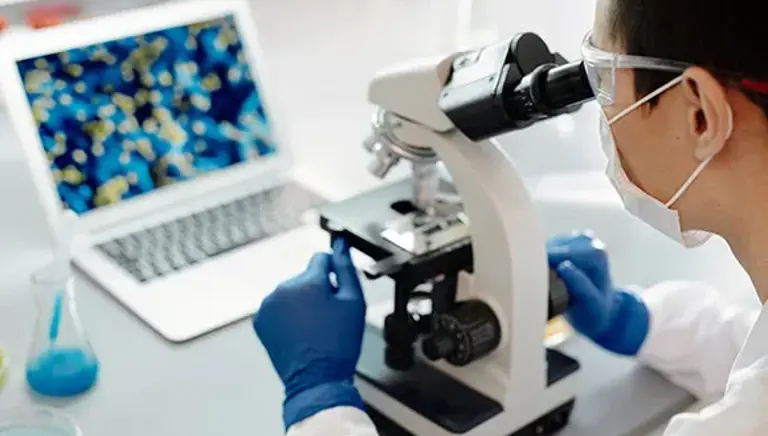
Rare diseases have a devastating impact on people’s lives: pharmaceutical companies here in the UK and around the world are working to change that – developing new medicines to give families hope for the future.
The UK government and devolved administrations published the UK Rare Diseases Framework in January 2021, setting out a shared vision for addressing health inequalities and improving the lives of people living with rare diseases across the UK.
The framework outlined 4 key national priorities:
- helping patients get a final diagnosis faster
- increasing awareness among healthcare professionals
- better co-ordination of care
- improving access to specialist care, treatment and drugs
To turn this vision into action, each of the 4 UK nations developed nation-specific action plans detailing how these priorities will be addressed.
Read the action plans: England / Scotland / Wales / Northern Ireland.
We’re facing three challenges:
Last modified: 22 March 2022
Last reviewed: 1 August 2022